Dream Day: The Art of Modern Handwritten Elegance
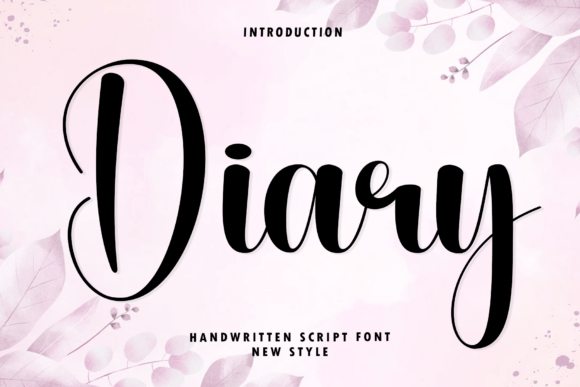
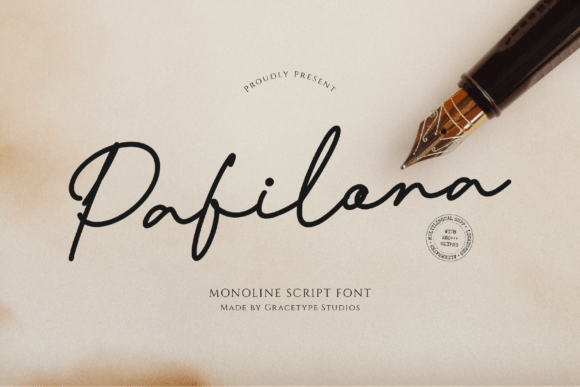
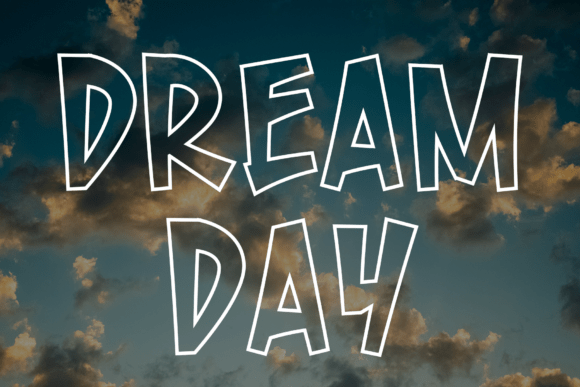
In the crowded landscape of digital assets, finding a typeface that conveys authentic emotion and sophistication is a game-changer for visual design. Dream Day is a “new style” handwritten script font that defines modern elegance through its fluid, signature-like motion. It features a delicate balance of tall ascenders and graceful, sweeping loops that create a rhythmic and sophisticated visual flow. For graphic designers and brand strategists, this typeface offers a solution to the perennial challenge of adding a human touch without sacrificing professionalism.
The Role of Script Typography in Brand Identity
Typography is the voice of your visual design. While sans-serifs communicate clarity and serifs suggest tradition, script fonts like Dream Day bridge the gap between personal connection and luxury branding. The fluid motion of the letterforms mimics natural handwriting, which psychologically fosters a sense of intimacy and trust with the audience. This makes it an invaluable asset for industries where personal touch and high-end presentation are paramount.
When integrated into a brand identity system, this font acts as a counterpoint to more structured typefaces. It creates a dynamic visual hierarchy that guides the viewer's eye, emphasizing key messages and establishing a premium tone. Whether you are working on wedding stationery or high-end editorial content, the font brings an unmistakable touch of class to every word.
Practical Applications for Creative Projects
The versatility of a well-crafted script font allows it to enhance various creative projects. Because Dream Day features distinct letter separation, it maintains legibility even at smaller sizes, expanding its usability across different mediums.
Consider utilizing this typeface for:
- Signature Logos: Creating a bespoke wordmark that feels handcrafted and exclusive.
- Digital Marketing: Designing social media graphics that stand out in a fast-scrolling feed due to their elegant curvature.
- Packaging Design: Adding a luxurious, artisanal feel to product labels, particularly in the beauty, fashion, or gourmet sectors.
- Editorial Layouts: Using pull quotes or headers in magazines to break the monotony of body text.
- Web Design: Enhancing hero sections or call-to-action buttons to draw attention without using aggressive colors.
Integrating Dream Day into Your Design Workflow
To maximize the impact of Dream Day, it is essential to evaluate how it interacts with other elements in your composition. Good typography is rarely isolated; it relies on the relationship between type, color palette, and imagery.
Tips for Effective Implementation
- Balance with Neutrals: Pair the fluid script with a clean, geometric sans-serif font. This contrast ensures readability and creates a sophisticated visual tension that looks professional.
- Respect the White Space: Signature-style fonts require breathing room. Avoid cramming text into tight spaces; instead, allow the sweeping loops to extend naturally to maintain the rhythm of the design.
- Color and Texture: This font shines when applied over textured backgrounds or paired with a refined color palette. Golds, deep charcoals, and muted pastels often complement the elegance of the script.
- Scalability Check: Always test the font at the intended size. While it works beautifully for headlines and logos, ensure the specific characters remain distinct when scaled down for UI design elements.
By treating typography as a core component of the user experience (UX) rather than just a decorative element, designers can significantly improve communication. A font like Dream Day does more than just display text; it evokes a feeling. Selecting the right creative assets is about finding tools that align with your design goals and resonate with your target audience. Ultimately, thoughtful typography elevates a design from merely functional to truly memorable, ensuring your visual communication leaves a lasting impression.